
How Can the QFT15-18 Brick Making Machine Transform High-Volume Concrete Block Production
Abstract: The QFT15-18 Brick Making Machine from Silver Horse is designed for high-efficiency, automated production of concrete bricks, paving stones, hollow blocks, curbstones, slope-protection bricks, and other concrete products. With a multi-axis servo vibration system, intelligent PLC control, robotic palletizing, and flexible molding capabilities, it provides manufacturers with a practical solution for improving product density, production consistency, labor efficiency, and long-term manufacturing performance.

Table of Contents
- What Is the QFT15-18 Brick Making Machine?
- How Does Its Vibration Technology Improve Brick Quality?
- What Are the Key Technical Parameters?
- What Products Can the Machine Manufacture?
- How Does Automation Improve Production Efficiency?
- Where Can the QFT15-18 Be Used?
- Why Is It Suitable for Large-Scale Production?
- What Should Buyers Consider Before Purchasing?
- Frequently Asked Questions
- Conclusion
What Is the QFT15-18 Brick Making Machine?
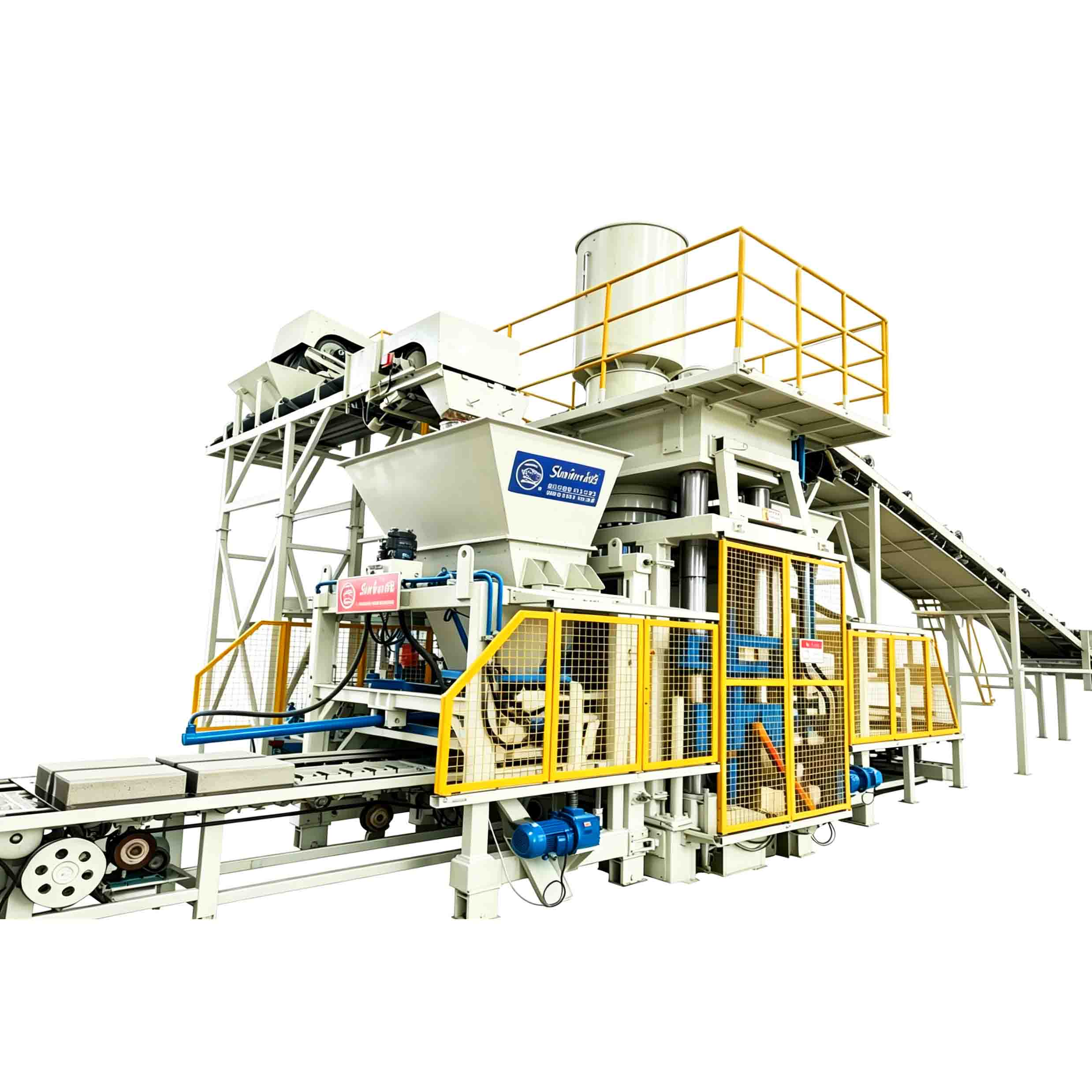
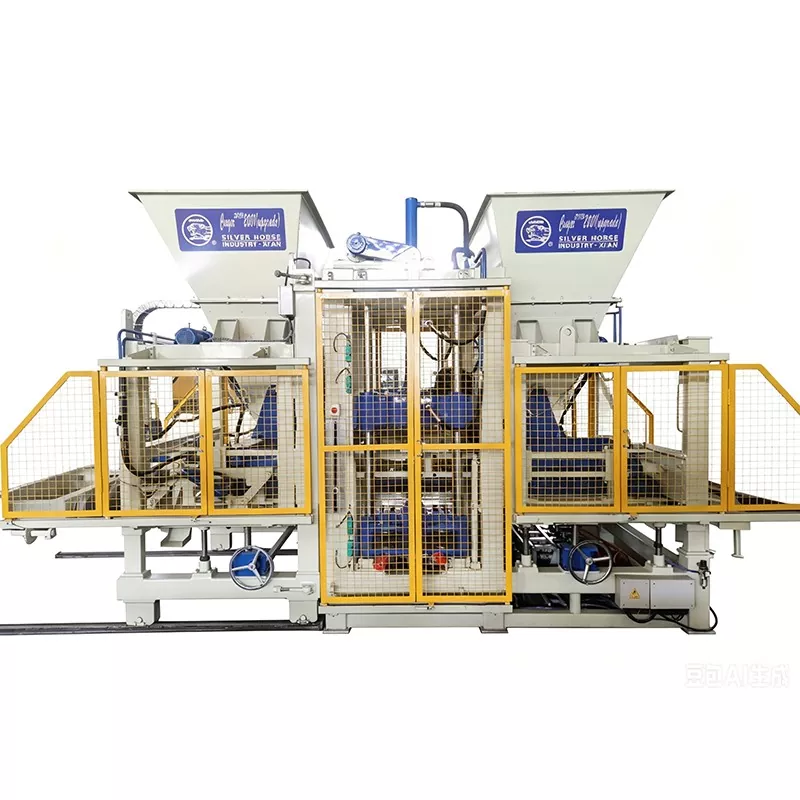
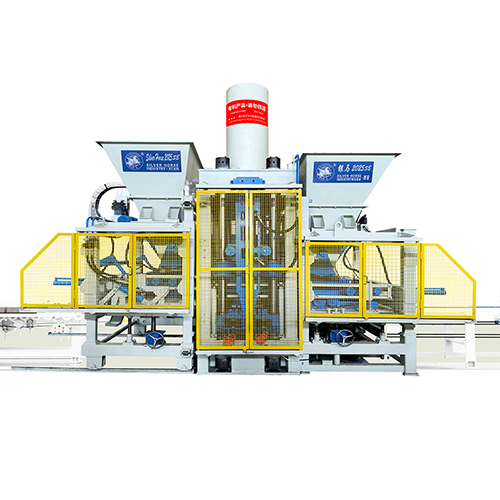
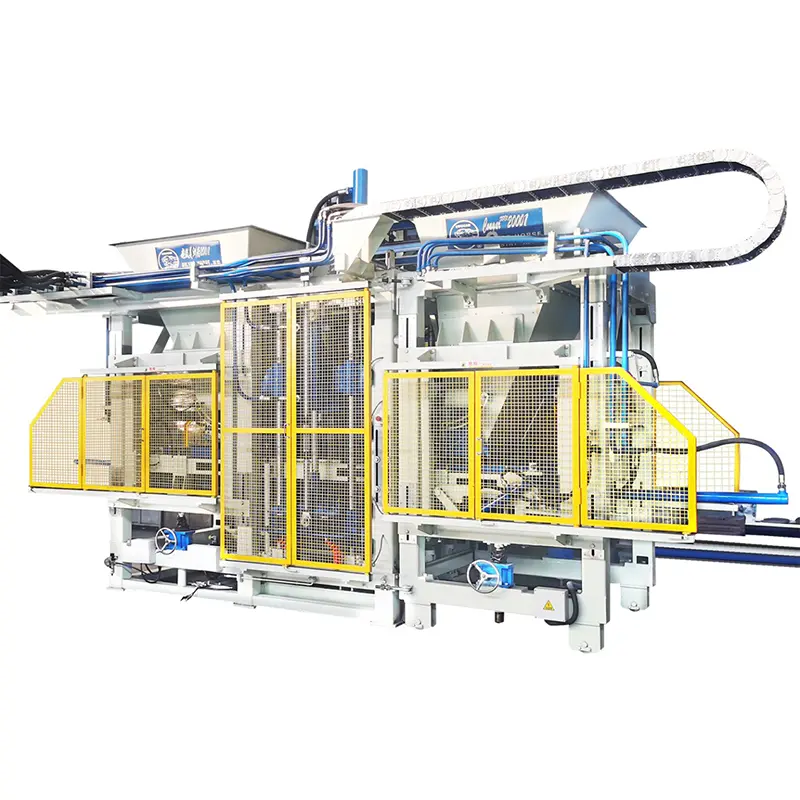
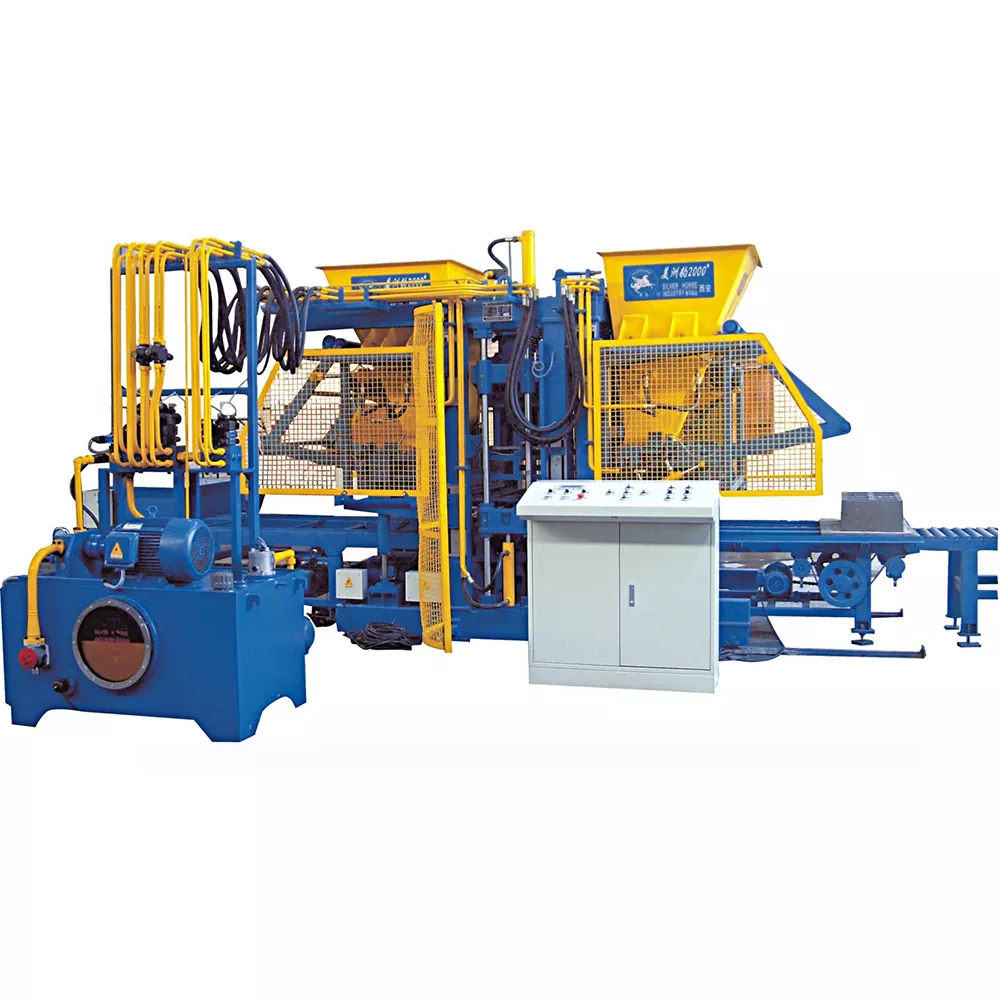
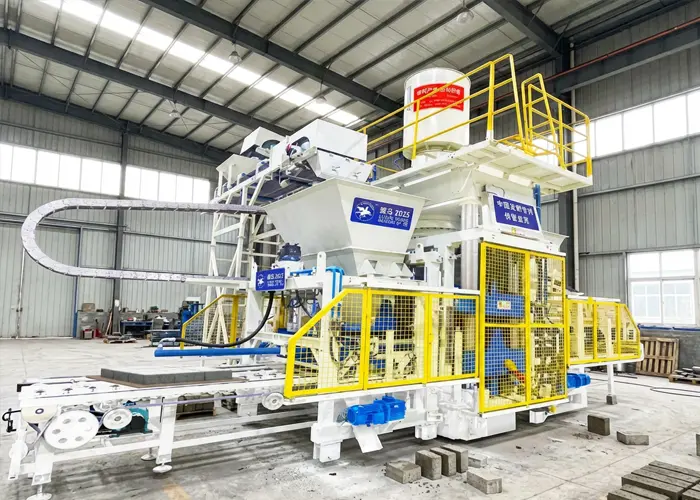
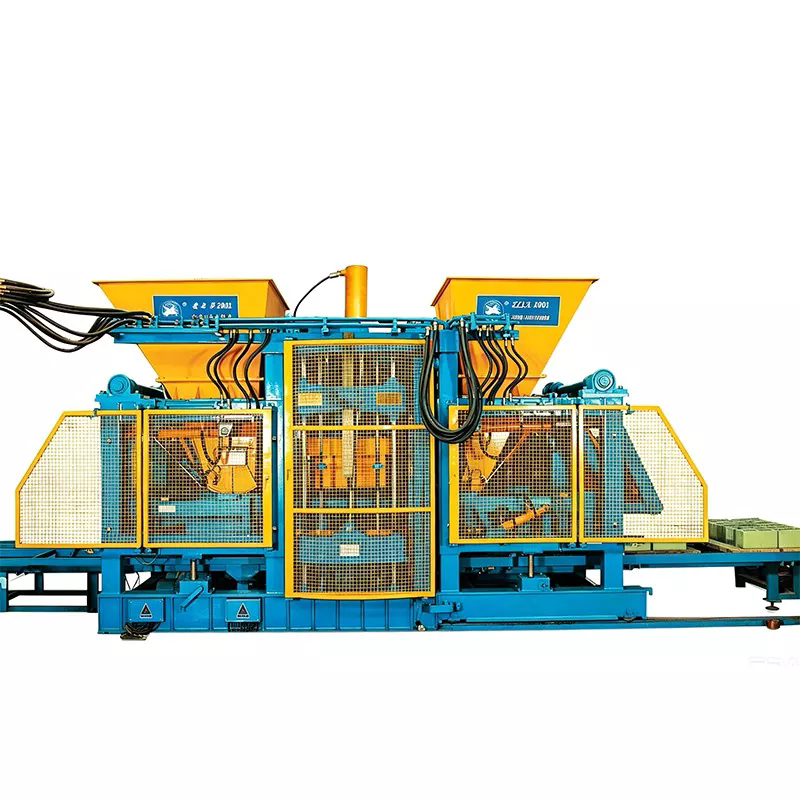
The QFT15-18 Brick Making Machine is an advanced automatic concrete block and brick forming solution developed for demanding industrial production environments. Silver Horse integrates high-performance vibration technology, automated material distribution, computerized control, and downstream handling into a production system designed to maintain consistent forming quality.
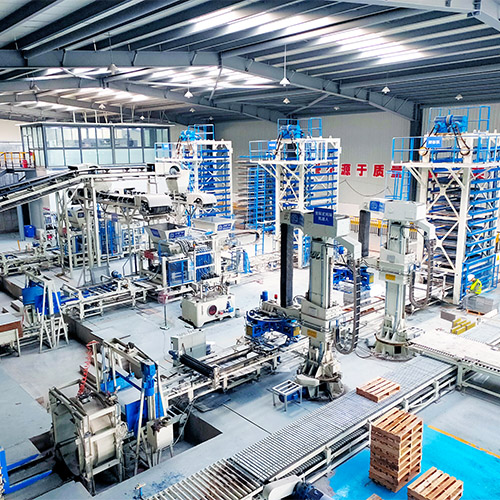
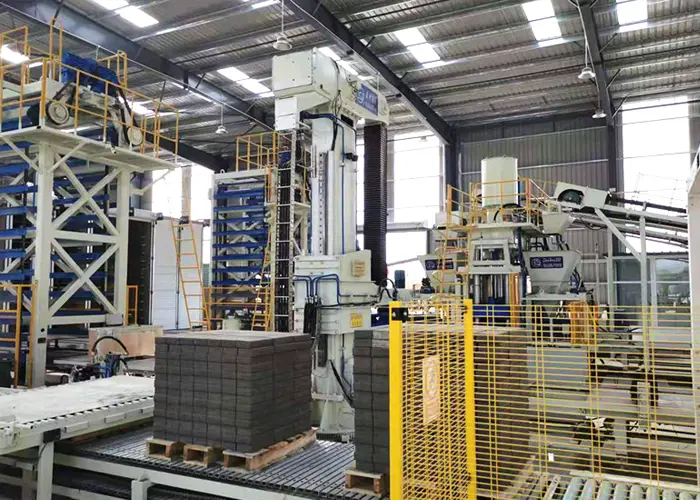
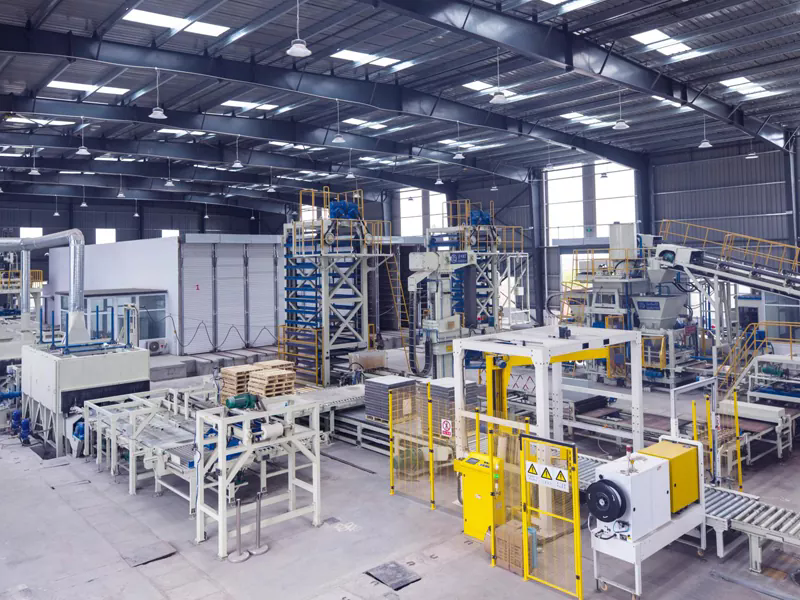
Unlike conventional brick-making equipment that may depend heavily on manual operation, the QFT15-18 can be configured as part of a highly automated production line. The system can include batching equipment, mixers, conveyors, pallet handling systems, curing equipment, palletizing robots, and packaging equipment.
This integrated approach is particularly valuable for manufacturers that need to produce large quantities of standardized concrete products while controlling labor requirements and maintaining stable quality.
For businesses evaluating a QFT15-18 Brick Making Machine, the most important consideration is not simply the machine's forming capacity. Buyers should also evaluate vibration performance, mold flexibility, automation, product range, maintenance requirements, and compatibility with their intended raw materials.
How Does Its Vibration Technology Improve Brick Quality?
Vibration is one of the most important factors affecting the density and consistency of vibration-formed concrete products. The QFT15-18 uses a four-axis chip servo vibration system developed under Silver Horse's patented technology.
The system can provide an average excitation acceleration of approximately 30g, while the excitation frequency can be controlled from 0 to 65 Hz. Computer-controlled frequency conversion allows vibration parameters to be adjusted according to different products and production requirements.
This technology helps the concrete mixture distribute more evenly inside the mold. Rapid vibration promotes material compaction, reduces unwanted voids, and contributes to a more uniform finished product.
- Multi-axis vibration: Helps distribute vibration more effectively throughout the mold.
- Servo control: Allows production parameters to be adjusted according to product requirements.
- High excitation acceleration: Supports rapid material compaction.
- Frequency conversion: Provides greater flexibility for different raw materials and products.
- Lower operational noise: The optimized vibration system is designed to improve production efficiency while reducing equipment noise.
The actual molding cycle depends on factors such as raw-material composition, product dimensions, mold configuration, and required product grade. Therefore, production expectations should always be verified through technical consultation and material testing.
What Are the Key Technical Parameters?
Understanding the core specifications is essential when comparing a China brick making machine supplier or planning a new automated concrete-product factory. The following specifications summarize the principal parameters published for the QFT15-18 system.
| Parameter | Specification |
|---|---|
| Machine Model | QFT15-18 |
| Pallet Size | 1400 × 1200 mm |
| Main Machine Installed Power | Approximately 135 kW |
| Excitation Frequency | 0–65 Hz |
| Average Excitation Acceleration | Approximately 30g |
| Paving Stone Output | 8,600–10,000 pcs./h |
| Solid Brick Output | 15,000–18,900 pcs./h |
| Hollow Block Output | 2,450–3,000 pcs./h |
| Paving Stone Cycle | 20–25 seconds |
| Solid Brick Cycle | 16–20 seconds |
| Hollow Block Cycle | 18–22 seconds |
These figures demonstrate the machine's ability to adapt to different product formats. However, output should not be interpreted as a universal guaranteed production rate because actual performance depends on mold design, material formulation, operating conditions, and product specifications.
What Products Can the Machine Manufacture?
One of the major advantages of the QFT15-18 is its broad molding range. Instead of being limited to a single brick format, the equipment can be configured with different molds to support various concrete products.
| Product | Typical Size | Pieces per Pallet | Typical Output |
|---|---|---|---|
| Paving Stone | 198 × 98 × 60/80 mm | 60 | 8,600–10,000 pcs./h |
| Color Curbstone | 500–800 × 120 × 350 mm | 2 | 205–240 pcs./h |
| Slope-Protection Brick | 406 × 305 × 102 mm | 9 | 1,300–1,620 pcs./h |
| Solid Brick | 240 × 115 × 53 mm | 84 | 15,000–18,900 pcs./h |
| Hollow Block | 390 × 190 × 190 mm | 15 | 2,450–3,000 pcs./h |
This flexibility allows manufacturers to respond to changing construction-market demand. With appropriate molds, the equipment can produce paving products, municipal bricks, wall bricks, load-bearing and non-load-bearing products, curbstones, slope-protection products, and PC artificial stone products.
How Does Automation Improve Production Efficiency?
A modern brick production line involves much more than the main forming machine. Material preparation, batching, mixing, feeding, pallet handling, curing, stacking, and packaging all influence the final production efficiency.
The QFT15-18 can be incorporated into an automated production line containing major components such as:
- Batching machine
- Base-material mixer
- Color-material mixer
- Cement silo and weighing system
- Material conveyors
- Main forming machine
- Wet-block conveyor
- Pallet feeder and elevator
- Curing kilns
- Pallet-lowering and conveying systems
- Coordinate-type palletizing robot
- PLC control room
- Packaging system
Automation can reduce repetitive manual handling and improve process coordination. Computerized control also allows key operating parameters to be managed more systematically, helping operators maintain consistent production conditions.
For a high-volume brick making machine supplier, this integrated approach is important because production efficiency depends on the performance of the entire line rather than the forming machine alone.
Where Can the QFT15-18 Be Used?
The QFT15-18 is particularly suitable for manufacturers serving infrastructure, municipal construction, commercial building, landscaping, and civil-engineering projects.
Typical applications include:
- Concrete paving-stone production
- Solid brick manufacturing
- Hollow block production
- Municipal road construction
- Building-wall material production
- Curbstone manufacturing
- Slope-protection projects
- Landscape and urban construction
- Concrete artificial-stone production
The equipment can also support resource-efficient manufacturing strategies. Silver Horse states that its block-making technology can process construction waste into building materials, potentially helping manufacturers reduce dependence on newly extracted natural sand and stone resources when suitable recycled aggregates and formulations are used.
Why Is It Suitable for Large-Scale Production?
For investors planning a commercial concrete-product factory, production volume is only one part of the return-on-investment equation. Equipment utilization, labor requirements, product diversity, quality stability, and the ability to respond to market demand all influence long-term profitability.
The QFT15-18 addresses several of these factors through its combination of high-speed molding, automation, multi-product compatibility, and intelligent production management.
1. High Production Capacity
Depending on the product, published output figures range from hundreds to tens of thousands of pieces per hour. This makes the system suitable for manufacturers targeting continuous, high-volume production.
2. Flexible Product Portfolio
A manufacturer can change molds to produce different types and sizes of concrete products, helping diversify its product portfolio instead of relying on a single brick specification.
3. Reduced Manual Handling
Automated conveying, pallet movement, and robotic palletizing can reduce dependence on heavy manual handling and improve workflow consistency.
4. Intelligent Factory Development
The equipment can form part of an intelligent production line where PLC-based control, automated material handling, curing, palletizing, and packaging are coordinated as one system.
5. Sustainable Production Potential
When suitable recycled aggregates are available and properly tested, concrete-product production can incorporate construction waste into useful building materials, supporting more resource-efficient manufacturing.
What Should Buyers Consider Before Purchasing?
Choosing a high-capacity block machine should begin with the final product rather than the machine model alone. Before placing an order, buyers should clearly define their technical and commercial requirements.
- Target products: Identify whether the factory will produce paving stones, hollow blocks, solid bricks, curbstones, or multiple products.
- Required output: Estimate daily and annual demand instead of relying solely on maximum theoretical capacity.
- Raw materials: Evaluate cement, aggregates, sand, pigments, recycled materials, and their local availability.
- Mold requirements: Confirm dimensions, cavity configuration, mold life, and product changeover requirements.
- Factory layout: Reserve adequate space for batching, mixing, forming, curing, storage, pallet circulation, and finished-product handling.
- Automation level: Decide whether semi-automatic or fully automatic production is appropriate for the planned workforce and investment scale.
- After-sales support: Confirm installation guidance, operator training, spare parts availability, troubleshooting, and technical support.
Working directly with an experienced manufacturer can make this evaluation more efficient because machine configuration, molds, production-line layout, and automation can be considered together.
Frequently Asked Questions
1. What products can the QFT15-18 Brick Making Machine produce?
The machine can be configured to produce paving stones, solid bricks, hollow blocks, curbstones, slope-protection bricks, wall bricks, municipal bricks, and other concrete products. The exact product range depends on the mold configuration and production requirements.
2. What is the excitation frequency of the QFT15-18?
The published technical specification indicates an excitation frequency range of 0–65 Hz. The frequency can be controlled through a computer-based system to accommodate different products and material conditions.
3. What is the maximum excitation acceleration?
The equipment uses a multi-axis servo vibration system with an average excitation acceleration of approximately 30g. Actual operating performance depends on production conditions and machine configuration.
4. Can the QFT15-18 produce both hollow blocks and solid bricks?
Yes. The published product data includes both 390 × 190 × 190 mm hollow blocks and 240 × 115 × 53 mm solid bricks. Different molds allow the production system to support multiple concrete-product formats.
5. Is the QFT15-18 suitable for an automated factory?
Yes. The QFT15-18 can be integrated with batching, mixing, conveying, curing, pallet handling, robotic palletizing, PLC control, and packaging systems to create a highly automated block production line.
6. How should buyers determine the right machine configuration?
Buyers should consider target products, required output, raw materials, mold specifications, factory layout, automation requirements, local power conditions, and after-sales service. A customized technical proposal is recommended before finalizing the equipment.
Conclusion
The QFT15-18 Brick Making Machine combines high-speed vibration forming, multi-axis servo technology, computerized control, flexible molding, and automated material handling into a solution designed for modern concrete-product manufacturing. Its ability to produce paving stones, solid bricks, hollow blocks, curbstones, and other products makes it a versatile option for manufacturers seeking scalable production.
For businesses looking for a reliable China brick making machine manufacturer and planning a high-efficiency concrete block production project, Silver Horse can provide equipment configuration and production-line solutions based on product requirements, output targets, and factory conditions. If you are planning a new plant, upgrading existing equipment, or evaluating a customized QFT15-18 production line, contact us to discuss your requirements and obtain professional technical support and a suitable solution.
Related News
- How Can the QFT15-18 Block Making Machine Transform High-Volume Concrete Block Production
- How Can an Integrated Block and Stone Production Machine Transform Modern Concrete Manufacturing
- How Can a Multipurpose Block Stone Integrated Machine Improve Modern Building Material Production?
- How Can a Concrete Block Making Machine Improve Modern Construction Production?
- How Does QFT15-18 Block Making Machine Improve Concrete Block Production Efficiency?
- How Does a Block Making Production Line Improve Modern Construction Efficiency?
Leave me a message